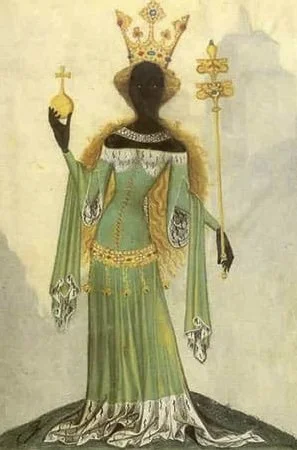
African Women Who Changed History
Queen Amanirenas ruled the Kingdom of Kush from mid to late 1st century BCE. She is best known for invading Egypt—then occupied by the Roman emperor Augustus—and successfully negotiating the end of Roman retaliation. The queen regnant died in 10 BC.

Queen Nzinga, also known as Njinga Ana de Sousa Mbande, ruled as queen of the Ambundu Kingdoms of Ndongo and Matamba, located in present-day northern Angola. Born into the Ndongo family of rulers, Nzinga became the southwest African paramount ruler following the death of her father, who succeeded her grandfather—the king of Ndongo, Ngola Kilombo Kia Kasenda. Queen Nzinga was born in 1582 and died on December 17, 1663.
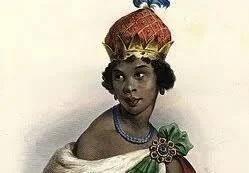

Amina of Zazzau (also known as Aminatu) was a historical Hausa figure in Zaria in Kaduna State—now known as the northwest region of Nigeria. Having ascended the throne following the death of her brother Karama, Amina reigned as the first queen of her people from 1576—1610 (34 years) while commanding an army of 20,000 foot soldiers and 10,000 calvary troops. Legend has it that Amina would take a husband after every battle, then have him executed the following morning. Amina was born in 1533 and died in 1610 at the age of 77.
Yaa Asantewaa I was appointed Queen Mother of Ejisu in the Ashanti Empire (modern day Ghana) by her brother, Nana Akwasi Afrane Okese. Queen Mother Yaa was an intellectual human rights activist, politician, and war leader known for commanding the Ashanti Kings against British colonial rule in the War of the Golden Stool.
Makeda the Queen of Sheba, was a royal figure referenced in the Hebrew Bible who ruled a Kingdom that spanned modern day Ethiopia and Yemen. Famed for her wealth (created by her control of frankincense and myrrh), Mekeda is known for having traveled to Jerusalem to test King Solomon’s knowledge with hard questions. She is said to have fathered a child with King Solomon named Menelik I, who later became the first emperor of Ethiopia—establishing a dynasty that ruled for 3,000 years. The Queen of Sheba’s visit to King Solomon is detailed in 1 Kings 10 and 2 Chronicles 9.